
11 Jul East Yorkshire Churches
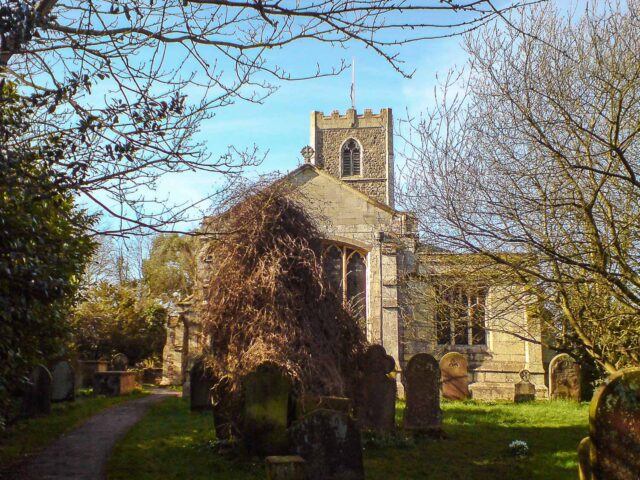
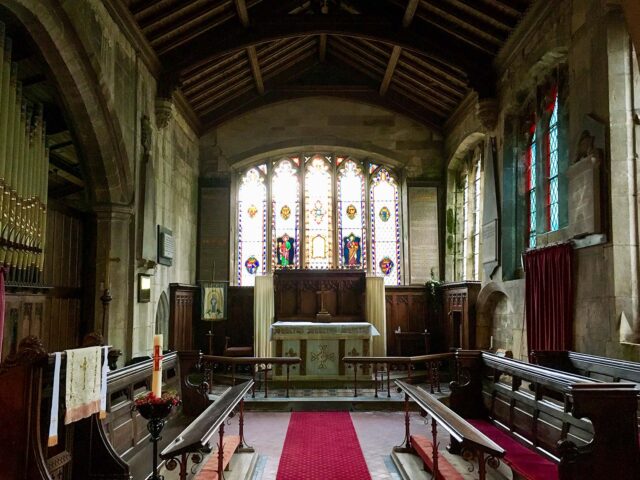
Burstwick, All Saints.
The church is tucked away in the village off the Hedon to Withernsea road, within a clearing enclosed by trees. Part 13th.,14th.,and 15th.century, with a large west window in the tower, seemingly incorporating two different periods of gothic design. In the north-west end of the nave, hanging under an arch, are the Royal Arms of Charles 1, which has a painting on the reverse, depicting his brutal demise. (Painted by the vicar and hung in the church in 1676). In the vestry there is a black ledger stone to Sir Matthew Appleyard who had been knighted by the King during the Civil war, and was buried in the church in 1669.
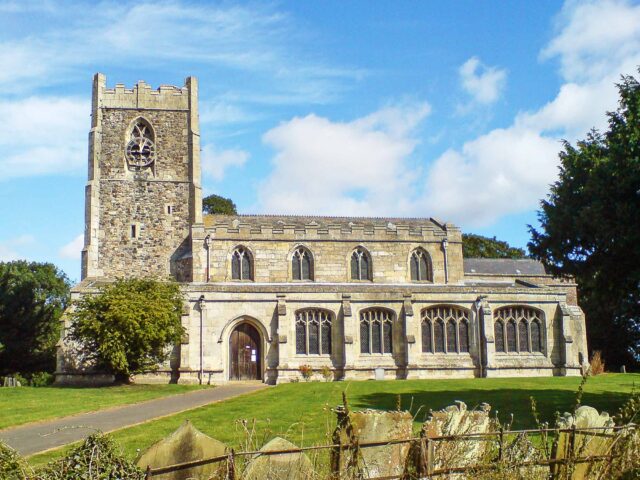

Humbleton, St. Peter.
Standing at the northern end of the village, off the Hull to Garton road. Mainly 15th. century with an exceptionally large south door with a central wicket (a small door, cut into a larger one). The west end of the nave has a semi-circular stair turret leading to the tower, which acquires an odd conical support after passing through the wall to the other side. In the north aisle, there is an unusual alabaster bust of William Thompson of Scarborough.

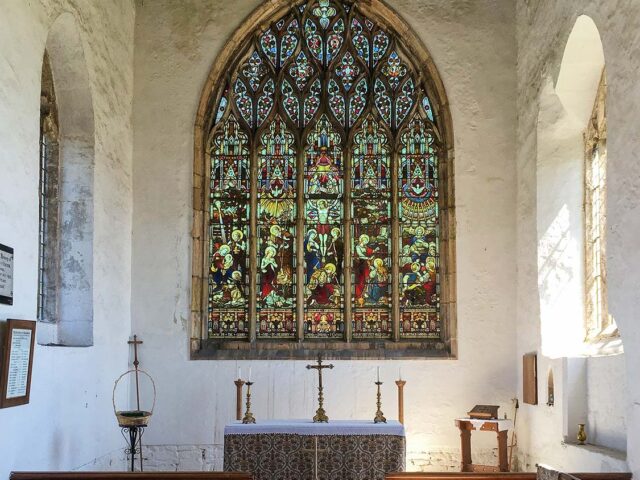
Welwick, St. Mary.
Situated at the west end of the village on a sharp bend in the road, from Hull to Spurn Point. Mainly 14th.century with beautiful traceried windows, particularly the east, and an odd lopsided addition to its companion on the south. The south aisle has a large elaborate priest’s tomb built into the south wall, which partly projects on the outside wall. The north aisle contains a floor slab with brass figures of William and Ann Wright. William was step-brother to John and Christopher Wright who were involved in the gunpowder plot.
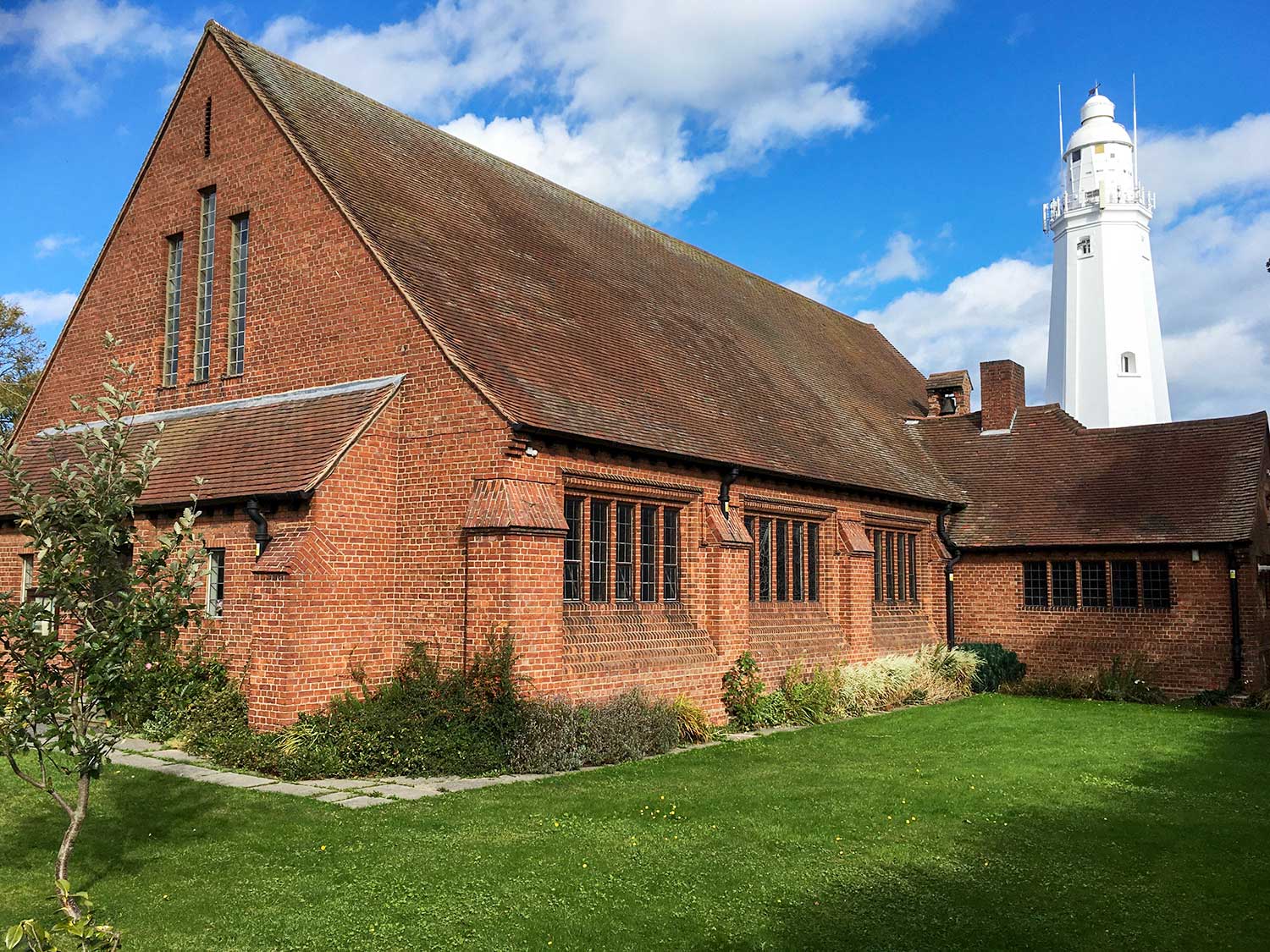
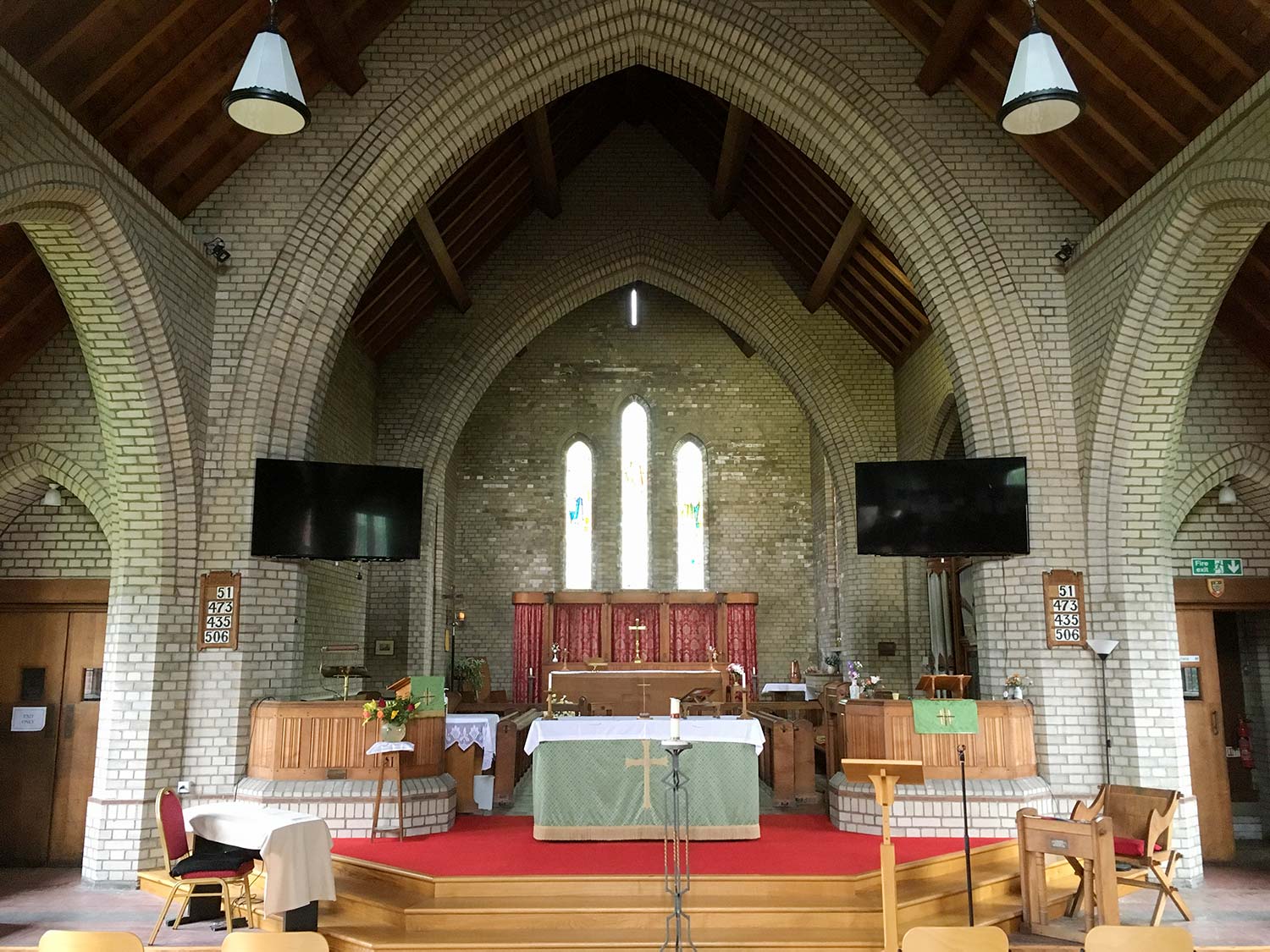
Withernsea, St. Matthew.
Standing in the shadow of the lighthouse on the road from Hull. 1934 – 5, in handmade ‘rough red’ brick. Unusual white sand-lime brick interior with wide nave and high chancel arch. On the south side of the chancel is a large ‘house organ’, and south of the west door is a Lutyens style font.